If you recently saw the word “teetotaler” in a comment, article, or conversation and wondered what it means, you’re not alone. Many people search for teetotaler meaning because the word sounds unusual and isn’t commonly used in everyday chat.
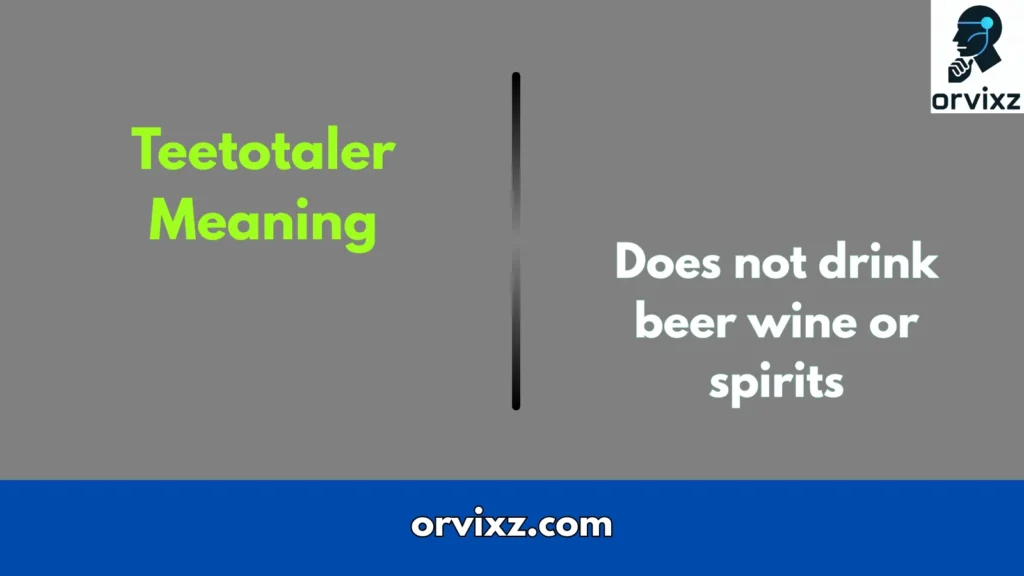
In simple terms, a teetotaler is someone who completely avoids drinking alcohol. Not occasionally. Not socially. They choose total abstinence from alcoholic drinks.
The term appears in conversations about lifestyle choices, health, religion, or personal values. And while it’s an older word compared to modern internet slang, it still pops up online, especially in discussions about sobriety and alcohol-free living.
This guide explains what “teetotaler” really means, where the word came from, how people use it in real conversations, and how to understand it when you see it online.
Updated for 2026, this article is designed to give you clear answers without confusing dictionary language.
What Does Teetotaler Mean in Chat or Text
In modern usage, a teetotaler is someone who chooses not to drink alcohol at all.
Simple definition:
Teetotaler = a person who completely avoids alcohol.
Unlike someone who drinks occasionally or socially, a teetotaler makes a clear decision to stay alcohol-free permanently or long term.
Key points about the meaning
A teetotaler:
- Does not drink beer, wine, or spirits
- Often avoids alcohol for health, religious, or personal reasons
- May identify with sober or alcohol-free lifestyles
Origin of the Word
The word teetotaler dates back to the 1800s during the temperance movement, a social movement that encouraged people to stop drinking alcohol.
The term comes from “tee-total,” meaning total abstinence. The extra “T” emphasized complete avoidance, not just moderation.
Over time, the word evolved into “teetotaler,” referring to the person who practices it.
How the Meaning Has Evolved
Originally, the word had a strong connection to political and social movements against alcohol.
Today, it’s usually more neutral. People use it to describe someone who:
- Is sober by choice
- Lives an alcohol-free lifestyle
- Simply doesn’t drink
It’s not necessarily political anymore. Often it’s just descriptive.
How People Use Teetotaler in Real Conversations
Unlike modern texting slang like “LOL” or “BRB,” teetotaler is more common in written conversation than quick chat messages.
You’ll usually see it in:
- Social media posts
- Blog articles
- Reddit discussions
- Forums
- Lifestyle conversations
Typical contexts where it appears
People often use the word when talking about:
- Health and wellness
- Sobriety
- Personal lifestyle choices
- Religious or cultural beliefs
Where you might see it online
Someone sharing a sober lifestyle:
“Been a proud teetotaler for three years now.”
Reddit or forums
Lifestyle discussions:
“I’m a teetotaler but still enjoy going to parties.”
Dating apps
Occasionally used in profiles:
“Teetotaler looking for someone who doesn’t mind alcohol-free dates.”
Tone and Intent
The tone is usually:
- Neutral
- Personal
- Informational
Sometimes it can also sound formal or old-fashioned, which is why many people today simply say:
- “I don’t drink”
- “I’m sober”
- “I’m alcohol-free”
Real Life Examples of Teetotaler in Text Messages
Here are some realistic examples to show how people actually use the word.
Example 1
Message:
“I’m basically a teetotaler now. Haven’t had a drink in two years.”
What they mean:
They’ve chosen to stop drinking alcohol completely.
Example 2
Message:
“Don’t worry about the bar, he’s a teetotaler anyway.”
What they mean:
The person doesn’t drink alcohol, so bars aren’t important for them.
Example 3
Message:
“I’m not a big drinker, but I wouldn’t call myself a teetotaler.”
What they mean:
They drink occasionally but not often.
Example 4
Message:
“My roommate is a teetotaler but still comes to parties.”
What they mean:
They attend social events but don’t drink.
Common Mistakes & Misunderstandings
Because the word is uncommon in modern chat, people sometimes misunderstand it.
1. Thinking it means “someone who rarely drinks”
This is incorrect.
A teetotaler drinks zero alcohol, not just less than others.
2. Assuming it means “recovering alcoholic”
Sometimes it can describe someone who quit drinking, but it doesn’t automatically mean addiction was involved.
Many teetotalers never drank in the first place.
3. Confusing it with temporary sobriety
For example:
- Dry January participants
- Short detox challenges
These are temporary, while teetotaler usually implies long-term or permanent abstinence.
4. Assuming it’s an insult
The word is generally neutral, not offensive. However, tone matters.
Used respectfully:
“She’s a teetotaler.”
Used sarcastically:
“Oh wow, Mr. Teetotaler over here.”
Context makes the difference.
How to Respond When Someone Sends You “Teetotaler”
If someone mentions being a teetotaler, you don’t need a complicated response.
Here are some natural replies.
Safe responses
- “Got it!”
- “That makes sense.”
- “No problem, we can grab coffee instead.”
- “That’s cool.”
If you’re unsure what they mean
You can ask politely:
- “Do you mean you don’t drink at all?”
- “So you’re alcohol-free?”
Most people will clarify easily.
When not to push the topic
Avoid asking intrusive questions like:
- “Why don’t you drink?”
- “Did something happen?”
For many people, it’s simply a personal preference.
Is “Teetotaler” Still Used in 2026?
Yes, but it’s not common in fast texting culture.
Gen Z and Millennials usually prefer simpler phrases like:
- “I don’t drink”
- “I’m sober”
- “Alcohol-free”
However, teetotaler still appears in:
- Articles
- Blogs
- Reddit discussions
- Lifestyle conversations
- Older speakers’ vocabulary
Where it’s most common today
- Health communities
- Sobriety discussions
- Formal writing
- Personal storytelling
So while the word isn’t trending slang, it still has a clear meaning people recognize.
Related Slangs & Abbreviations
If you’re exploring lifestyle or chat language, you might also see these terms.
Sober
Someone who does not drink alcohol or use intoxicating substances.
Alcohol-free
A modern phrase often used in wellness communities.
Example:
“I’ve been alcohol-free for a year.”
Dry
Used informally to describe not drinking.
Example:
“I’m going dry this month.”
Straight edge
A subculture where people avoid alcohol, drugs, and sometimes other substances.
Designated driver (DD)
The person who stays sober to drive others home safely.
FAQs:
What does teetotaler mean in simple terms?
A teetotaler is someone who completely avoids drinking alcohol.
Is teetotaler the same as sober?
Not exactly. “Sober” can mean someone who stopped drinking, while a teetotaler may have never drunk alcohol at all.
Is teetotaler an old-fashioned word?
Yes, it originated in the 19th century and can sound slightly old-fashioned, but people still understand it.
Can someone become a teetotaler later in life?
Yes. Anyone who decides to stop drinking completely can describe themselves as a teetotaler.
Is teetotaler a negative term?
No. It’s usually a neutral description of someone who doesn’t drink alcohol.
Conclusion:
- Teetotaler means a person who completely avoids alcohol.
- The word comes from the 19th-century temperance movement.
- Today it’s used mostly in writing, discussions, and lifestyle conversations.
- In everyday chat, many people simply say “I don’t drink” or “I’m sober.”
If you ever see the word again, you’ll immediately know what it means and how it’s being used.
And if you’re exploring modern language and internet culture, understanding words like this helps you navigate conversations with confidence.
What’s your favorite chat abbreviation or slang term? Drop it in the comments!

I’m the voice behind upvoros mixing creativity with humor to craft puns that hit just right. When I’m not playing with words, I’m busy making content that feels fun, fresh, and relatable.